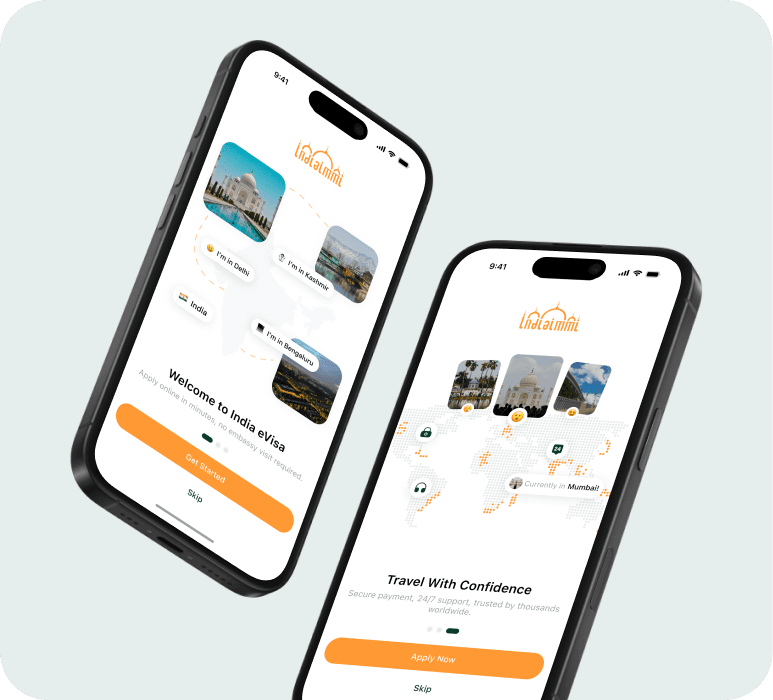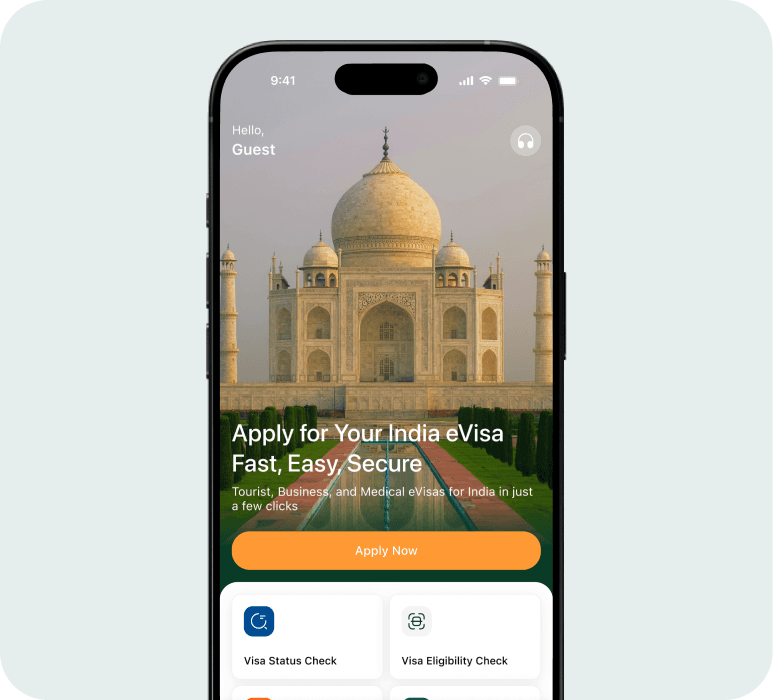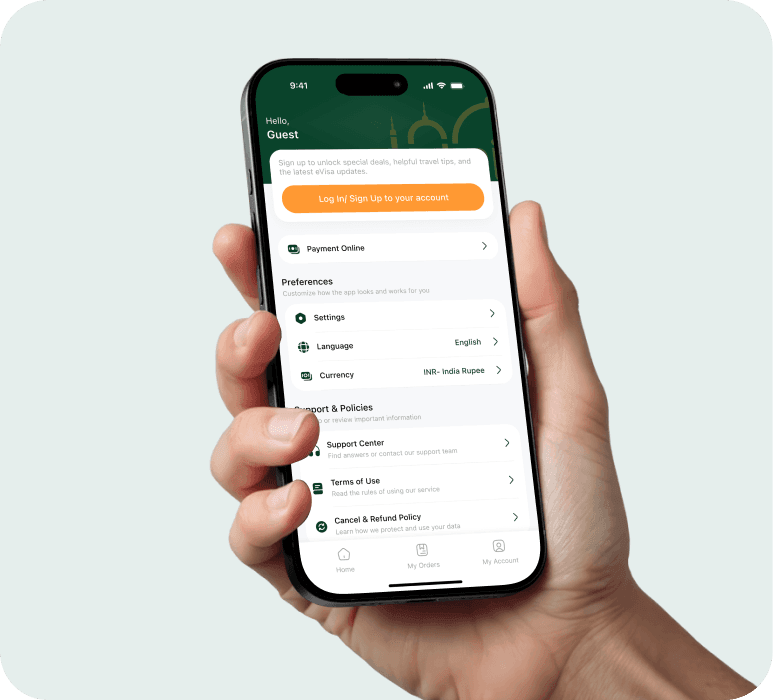



Traveling to India with children can be an unforgettable experience. From vibrant cultures and historical landmarks to wildlife adventures and diverse cuisine, India offers countless opportunities for family exploration. However, when traveling with young children, proper preparation is essential to ensure the journey remains comfortable, safe, and enjoyable for everyone.
According to the India Immigration Department, all foreign visitors must comply with entry regulations, including visa requirements and valid travel documentation before arrival.
Key Takeaways for Families Traveling to India
Before starting your journey, make sure the following essentials are prepared:
-
Valid Passports: Every traveler, including children and infants, must have a valid passport.
-
India e-Visa Requirements: Each traveler must have an approved e-Visa before entering India.
-
Guardian Information: Additional parental or guardian details may be required for travelers under 18.
-
Hotel and Flight Confirmations: Proof of accommodation and return travel may be required for immigration verification.
-
Instant Connectivity: Use a Travel eSIM for India with 4G/5G data plans to stay connected immediately upon arrival.
-
Optional Airport Assistance: Fast track immigration services and private airport transfers can help families avoid long queues.
1. Do Children Need a Visa to Enter India?
Yes. Every traveler, including infants and children, must have a valid visa before entering India.
According to the India Immigration Department, minors are not exempt from visa requirements. Each child must have their own approved visa, even when traveling with parents.
The most common option for families is the India e-Visa, which allows tourists to apply online without visiting an embassy.
Key points for families:
-
Each child requires a separate e-Visa application
-
The child’s passport must be valid for at least 6 months
-
A digital passport photo must be uploaded
-
Entry ports must be selected in advance
Processing times may vary, so it is recommended to apply early to avoid last-minute complications.

Photo: Collected
2. Special Requirements for Children’s Visa Applications
When applying for an India e-Visa for children, additional documentation may be requested to verify parental or guardian consent.
Required documents typically include:
Child's documents
-
A clear scan of the child’s passport
-
A recent passport-style photograph
-
Completed online visa application form
Parent or guardian documents
-
Parent or legal guardian’s passport
-
Contact details and travel information
-
Proof of relationship (occasionally requested)
Children who already have their own passports must apply for individual visas, even when included in a family trip.
According to official guidelines, visa authorities may conduct additional verification if minors are traveling alone or with only one parent.
3. Staying Connected: Use a Travel eSIM in India
Reliable internet access is extremely helpful when traveling with children. Families often rely on mobile data for navigation, ride-hailing services, translation apps, and emergency communication.
A Travel eSIM for India is one of the most convenient solutions for international visitors.
Benefits of using an eSIM
-
Instant eSIM activation
-
4G/5G data plan coverage
-
Easy scan-to-activate setup
-
No physical SIM card required
-
Affordable India data plans for tourists
With an Easy Scan-to-Activate system, travelers simply scan a QR code and instantly connect to local networks.
This means you can stay connected immediately upon landing, avoiding the need to search for SIM vendors at the airport.
4. Airport Arrival Tips for Families
Indian airports can be busy, particularly in major cities such as Delhi, Mumbai, or Bangalore. Families traveling with children may benefit from planning their arrival carefully.
Private Airport Transfer
Booking a car transfer in advance ensures a safe and comfortable ride directly to your hotel after arrival.
Benefits include:
-
No waiting for taxis
-
Professional drivers familiar with local routes
-
Child-friendly travel environment
-
Comfortable vehicles for luggage and strollers
Some travel platforms even offer Visa + Airport + eSIM in One App, creating a complete travel solution for international visitors.
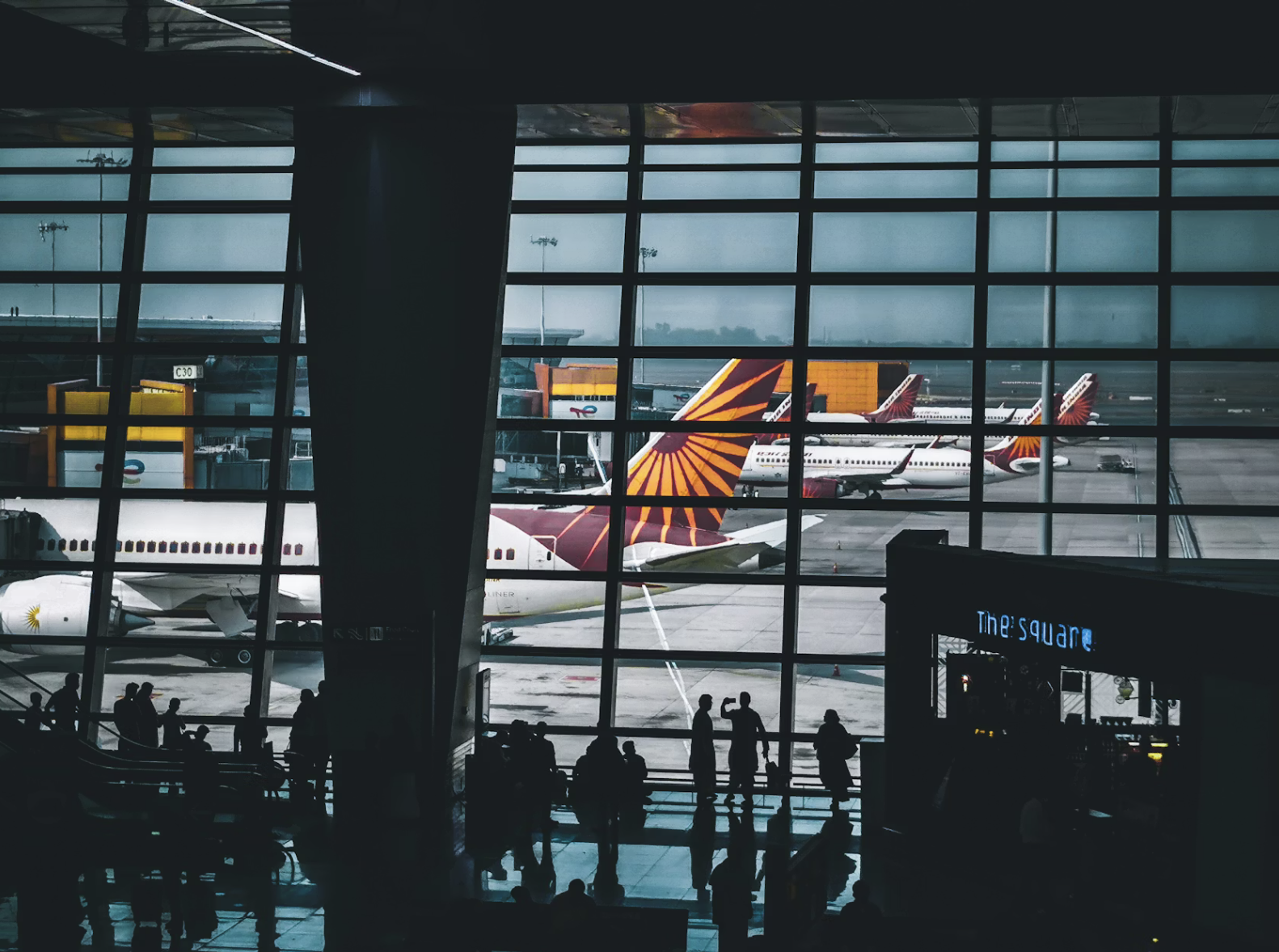
Photo: Collected
5. Essential Safety Tips for Traveling in India with Kids
India is generally welcoming to families, but certain precautions can help make the journey smoother.
Choose family-friendly accommodations
Many hotels offer:
-
family rooms
-
extra beds
-
babysitting services
-
kid-friendly menus
Stay hydrated and prepared
Children may be sensitive to climate changes, especially in tropical regions.
Carry:
-
bottled drinking water
-
sunscreen
-
insect repellent
-
basic medication
Respect cultural traditions
India is culturally diverse and deeply rooted in tradition. Teaching children about local customs can help them appreciate the experience and interact respectfully with locals.
Keep important documents accessible
Always carry:
-
passports
-
visa copies
-
emergency contact details
-
travel insurance information
These documents may be required at airports, hotels, or domestic checkpoints.
6. When Should You Apply for an India Visa for Children?
To avoid travel delays, families should apply for visas well before departure.
Most travel experts recommend submitting applications at least 3–4 weeks before the planned trip, especially during peak travel seasons.
Early application provides enough time to:
-
correct document errors
-
respond to immigration requests
-
avoid last-minute processing delays
Using a Smart Travel App that integrates visa applications, airport services, and connectivity solutions can help simplify planning.
These platforms offer everything in one platform, creating a seamless travel experience for families.
Frequently Asked Questions (FAQ)
Q1: Do infants need a visa to enter India?
Yes. Even newborn babies must have their own passport and visa before entering India.
Q2: Can children be included in their parents’ visa application?
No. Each traveler must submit a separate visa application, even when traveling as a family.
Q3: How long does it take to get an India e-Visa?
Standard processing usually takes 3–5 business days, although urgent processing may be available depending on the provider.
Q4: Is an eSIM better than a physical SIM card for tourists?
For many travelers, yes. A travel eSIM offers instant activation, avoids physical SIM swapping, and provides immediate data connectivity upon arrival.
Q5: Is India safe for family travel?
India can be a wonderful destination for families when trips are properly planned. Choosing reputable accommodations, staying connected, and following local guidelines helps ensure a safe and enjoyable experience.
👉 Visit India-immi.org to start your Indian services in just a few simple steps - quick, safe, and trustworthy.