
Last Verified: November 15, 2026
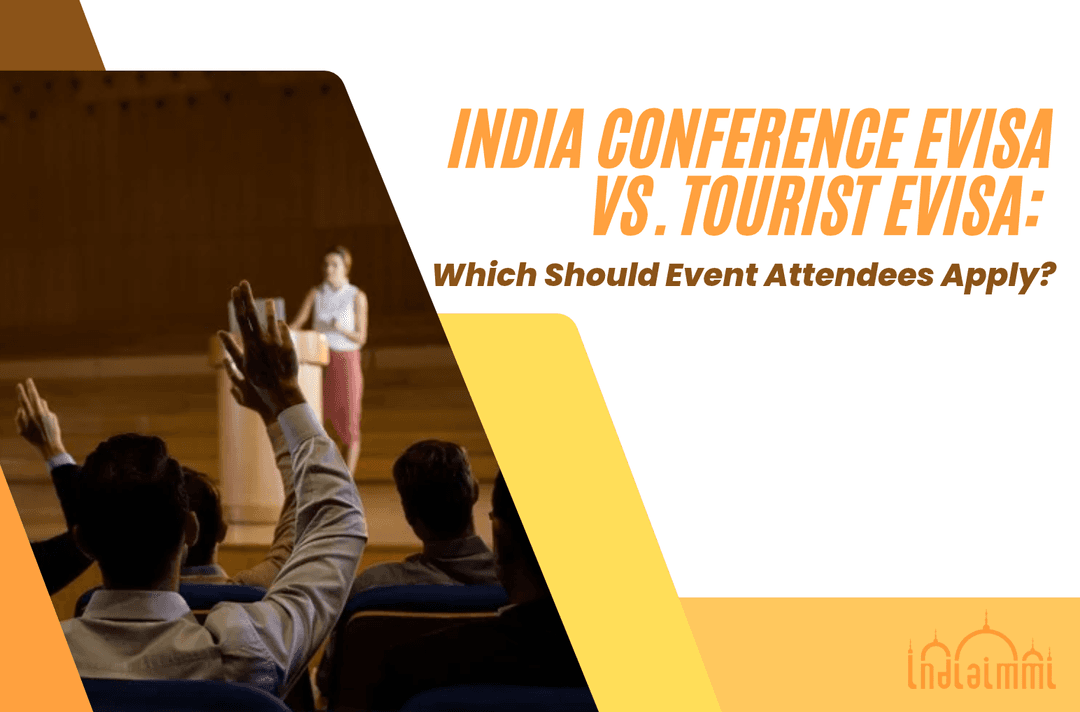
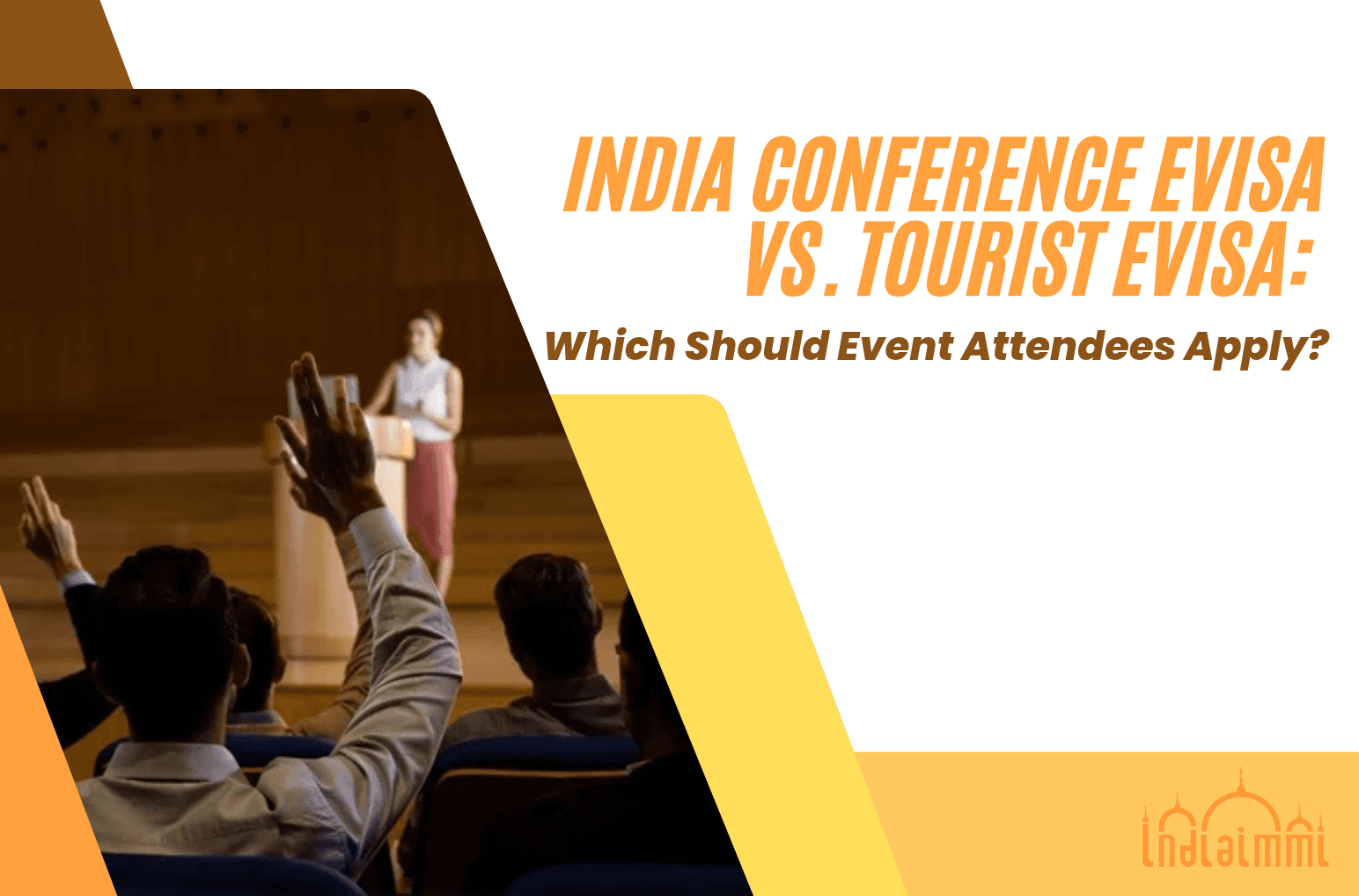
Planning to attend an international conference in India? Whether you are traveling for a business summit, academic seminar, industry exhibition, or professional gathering, choosing the correct visa is an important part of your travel preparation.
India offers different e-Visa categories for international visitors, including the Conference eVisa and Tourist eVisa. Although both allow eligible foreign nationals to enter India for a limited period, they serve different travel purposes. Applying under the wrong category could lead to additional document requests, processing delays, or travel complications.
So, should you apply for an India Conference eVisa or a Tourist eVisa? The answer depends on the main purpose of your visit, the type of event you are attending, and the supporting documents available to you.
This guide explains the differences between the two visa categories, their eligibility requirements, application documents, and important considerations to help you select the appropriate option before traveling.
Key Takeaways
-
Conference eVisa: Intended for eligible foreign nationals attending qualifying conferences, seminars, or workshops organized in India.
-
Tourist eVisa: Designed for tourism, sightseeing, recreational activities, and eligible informal visits.
-
Attending an official professional or academic conference does not automatically make a Tourist eVisa appropriate.
-
Conference attendees may need an invitation letter and additional government-related clearances, depending on the event.
-
Apply under the visa category that accurately reflects your primary travel purpose, rather than choosing based only on convenience.
1. Understanding the India Conference eVisa and Tourist eVisa
Before applying, it is important to understand what each visa category is designed for. Although both may allow foreign visitors to enter India, their permitted purposes are different.
What Is an India Conference eVisa?
The India Conference eVisa is intended for eligible foreign nationals traveling specifically to attend conferences, seminars, or workshops in India.
These events may cover areas such as:
-
Academic and educational conferences.
-
International business and industry seminars.
-
Professional workshops and knowledge-sharing events.
-
Government-organized conferences.
-
Qualifying events organized by private institutions or organizations.
Applicants must have an invitation from the event organizer and meet the applicable government clearance requirements.
According to India's Ministry of Home Affairs, conference visa eligibility generally requires that attending the conference, seminar, or workshop is the applicant's sole purpose of visiting India.

Source: Collected
What Is an India Tourist eVisa?
The India Tourist eVisa is designed for eligible foreign nationals visiting India for leisure and personal travel.
Common permitted purposes include:
-
Sightseeing and exploring tourist attractions.
-
Visiting friends and relatives.
-
Recreational activities.
-
Participating in certain eligible short-term, informal courses.
-
Other tourism-related activities permitted under the applicable visa conditions.
For example, someone traveling to India to explore Jaipur, visit the Taj Mahal, or spend a holiday in Kerala would generally consider the Tourist eVisa rather than the Conference eVisa.
The important distinction is that a Tourist eVisa should not automatically be treated as an alternative for attending an official professional or academic conference. Applicants should select the category that matches their actual travel purpose.
2. India Conference eVisa vs. Tourist eVisa: Key Differences
Understanding the main differences makes it easier to select the correct visa before starting your application.
Comparison of the Two Visa Categories
|
Criteria |
Conference eVisa |
Tourist eVisa |
|
Main purpose |
Attending qualifying conferences, seminars, or workshops |
Tourism and recreational travel |
|
Invitation letter |
Mandatory |
Not normally required |
|
MEA political clearance |
Mandatory for e-Conference applications |
Not normally required |
|
MHA event clearance |
Optional under the e-Visa FAQ; may apply in specific cases |
Not normally required |
|
Supporting documents |
Passport, invitation, and required clearances |
Passport, photograph, and applicable supporting details |
|
Intended travelers |
Conference delegates and eligible attendees |
Tourists and leisure travelers |
The Indian government's official e-Visa specifically identifies the organizer's invitation and political clearance from the Ministry of External Affairs (MEA) as mandatory documents for an e-Conference Visa. It lists event clearance from the Ministry of Home Affairs (MHA) as optional under the e-Visa document requirements.
Which Visa Is More Suitable for Your Travel Purpose?
The best option depends on what you plan to do in India.
Choose the Conference eVisa if:
-
You are officially registered as a conference delegate.
-
You have received an invitation from the event organizer.
-
You are attending an eligible seminar or professional workshop.
-
Your primary reason for visiting India is the event.
Consider the Tourist eVisa if:
-
Your main purpose is sightseeing or a holiday.
-
You are visiting family or friends.
-
You are traveling independently without attending a qualifying conference.
-
Your activities fall within the permitted tourist visa conditions.
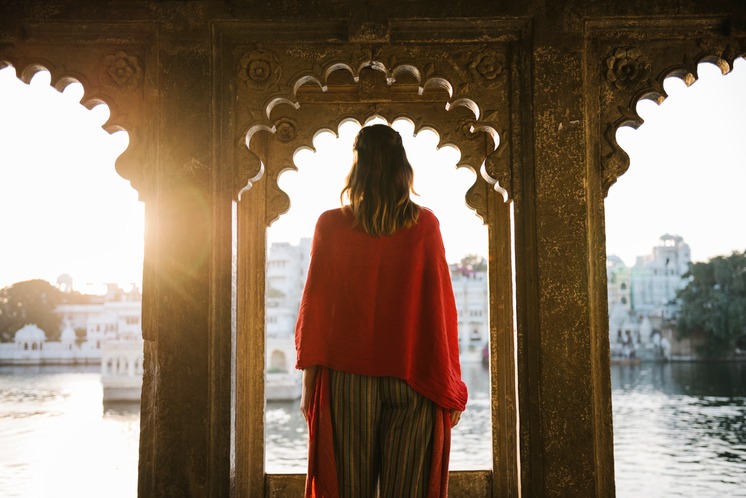
If your trip combines conference attendance with sightseeing, do not automatically assume that a Tourist eVisa is sufficient. India's Ministry of Home Affairs states that conference delegates may combine tourism with their conference visit, subject to the applicable visa conditions.
Source: Collected
3. Documents and Application Requirements for Conference Attendees
Preparing the correct documents is one of the most important steps when applying for an India Conference eVisa. Unlike a standard tourist application, conference applications involve supporting documents connected to the event itself.
Essential Documents for an India Conference eVisa
Applicants should generally prepare:
-
Valid passport: A clear scanned copy of the passport's biographical information page.
-
Conference invitation letter: An official invitation issued by the event organizer, identifying the applicant and the event.
-
MEA political clearance: The required political clearance issued by India's Ministry of External Affairs.
-
MHA event clearance: Additional event clearance where applicable or requested.
-
Personal details: Accurate information matching the passport and supporting documents.
The organizer should clarify which government clearances have been obtained and provide the relevant documents to participants before they submit their applications.
The MHA also identifies additional circumstances requiring prior government review, including certain nationalities and participation in events involving restricted or protected areas.
Why You Should Contact the Conference Organizer Early
A common challenge for international attendees is obtaining the required supporting documents on time.
Some organizers coordinate political clearance centrally, meaning individual participants may need to submit their passport information and other requested details before the organizer can complete the process.
Before applying, ask the organizer:
-
Has the event received the necessary government approvals?
-
Is MEA political clearance available?
-
Is MHA event clearance applicable?
-
When will the official invitation letter be issued?
-
Are there specific visa instructions for international delegates?
If the organizer has not completed the necessary formalities, your visa application may not be ready for submission.
4. Common Visa Mistakes Made by International Conference Attendees
Even when travelers understand the difference between visa categories, mistakes during preparation can affect their travel plans.
Applying for a Tourist eVisa Instead of a Conference eVisa
One common mistake is choosing a Tourist eVisa simply because it appears easier to apply for.
However, visa applications should accurately reflect the purpose of travel. If you are attending an official conference, you should check the Conference eVisa requirements rather than assuming a tourist category will cover your activities.
If you are uncertain, consult the Indian Embassy or Consulate before submitting your application.
Submitting an Application Without the Required Clearances
An invitation letter alone may not be sufficient for an e-Conference Visa application.
Applicants should ensure they have the mandatory MEA political clearance and any other applicable supporting documents. Missing documentation can delay the application or result in a request for additional information.
Waiting Until the Last Minute
Conference attendees sometimes wait until their flight date approaches before checking visa requirements.
This can be particularly problematic because government clearances may involve coordination between the event organizer and Indian authorities.
To reduce unnecessary delays:
-
Register for the conference early.
-
Request the invitation letter as soon as possible.
-
Confirm the status of government clearances.
-
Check the latest application requirements.
-
Avoid booking non-refundable travel arrangements before understanding your visa situation.
Providing Inconsistent Information
Your application details should match your passport and supporting documents.
Pay particular attention to:
-
Full name and passport number.
-
Date of birth and nationality.
-
Conference name and location.
-
Event dates and travel schedule.
-
Contact information and accommodation details.
Even small inconsistencies can create additional verification requirements.
5. Practical Tips for a Smooth India Conference Visa Application
Apply Through the Official Indian eVisa Website
The safest starting point is the official Indian government eVisa portal:
Select the appropriate visa category and carefully follow the instructions provided.
Be cautious when using third-party websites that may look similar to the official government portal. Check the website address before entering personal or passport information.
Understand the Processing Timeline
Conference visa applications may require additional coordination because of the supporting documents and government clearances involved.
There is no universal processing time that applies to every applicant. The timeline can depend on nationality, event arrangements, application completeness, and any additional verification required.
Submit your application well before your planned departure and avoid assuming that paying an application fee guarantees approval.
Consider Professional Visa Application Assistance
If you are unfamiliar with India's visa categories or have questions about document preparation, professional assistance may help you understand the application process.
India-Immi.org provides information and assistance for travelers exploring Indian visa and e-Visa options.
Before using any visa assistance service, remember that visa decisions and approvals remain the responsibility of the Indian authorities, not private agencies.
Conclusion
Choosing between an India Conference eVisa and a Tourist eVisa depends primarily on your reason for visiting the country.
The Conference eVisa is designed for eligible international attendees participating in qualifying conferences, seminars, and workshops. The Tourist eVisa is intended for leisure activities, sightseeing, and personal visits.
If you are attending an official event, contact the organizer early to obtain your invitation letter and required government clearances. Check the latest requirements on the official Indian eVisa website before submitting your application.
Most importantly, choose the visa category that accurately reflects your travel purpose. Proper preparation can help you avoid unnecessary complications and focus on making the most of your event in India.
For additional guidance, visit India-Immi.org to explore Indian visa information and application assistance.
Frequently Asked Questions (FAQ)
Q1: Can I attend an international conference in India with a Tourist eVisa?
You should not assume that a Tourist eVisa permits attendance at an official professional or academic conference. The Conference eVisa is the relevant category for eligible conference participation. Check the event's classification and applicable government requirements before applying.
Q2: Is an invitation letter mandatory for an India Conference eVisa?
Yes. An invitation from the conference organizer is a mandatory supporting document. Applicants must also provide the required political clearance from India's Ministry of External Affairs.
Q3: Can I travel as a tourist after attending a conference in India?
Yes. India's Ministry of Home Affairs allows conference delegates to combine tourism with conference attendance. The visa duration and conditions remain subject to the decision of the Indian authorities.
Q4: Can family members accompanying a conference attendee apply for a Conference eVisa?
Not automatically. Family members who are not attending the conference should check the eligibility requirements for an appropriate visa category, such as the Tourist eVisa, if their purpose is leisure travel. Each traveler must submit an individual application.
👉 Contact the 24/7 support team at India-immi.org to receive personalized advice and book your Car Pick-up service, while also exploring additional services such as Indian e-Visa, Airport Fast Track, or Travel eSIM, to make your trip to India more convenient, secure, and premium from the very beginning.
-
✉️ Email: [email protected]
-
📱 WhatsApp: +84 357 522 522
-
Hotline: +84 357 522 522