

Last Verified: November 11, 2026
India Transit Visa Guide: Rules, Requirements & Visa-Free Transfer
Transiting through India does not always require a visa. Depending on your flight itinerary, nationality, layover duration, and whether you need to pass through immigration, you may be able to connect to another international flight without obtaining an Indian transit visa.
However, not all airport connections are treated equally. Staying inside the international transit area is different from collecting checked baggage, changing terminals through a public area, or checking in again for a separate flight. A connection that looks simple on your booking confirmation could require you to enter India legally.
Understanding India's transit visa rules before departure can help you avoid denied boarding, missed connections, and unexpected immigration complications.
Key Takeaways
-
Visa-free transit is possible when eligible passengers remain in the designated international transit area and meet the applicable conditions.
-
Travelers generally need an Indian transit visa if they must pass through immigration to collect baggage, check in again, or enter the country.
-
A layover of less than 24 hours does not automatically mean visa-free transit.
-
Self-transfer flights carry additional risks because passengers may need to collect luggage and obtain new boarding passes.
-
Airline requirements and airport facilities should be confirmed before departure, even when the itinerary appears to qualify for transit without a visa.
1. When Can You Transit Through India Without a Visa?
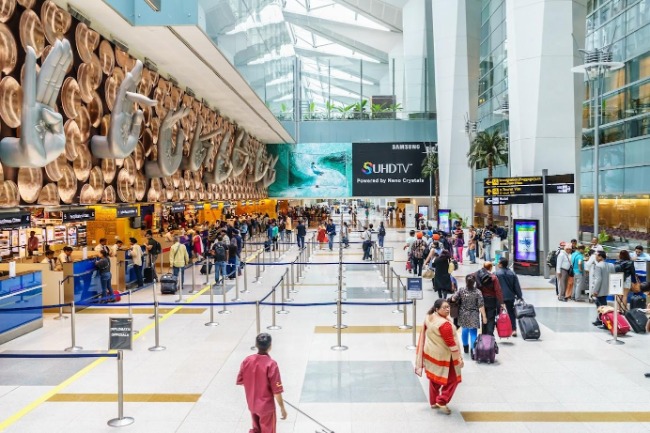
India allows foreign travelers to transit through its airports without an Indian visa under specific conditions. The most important factor is whether you remain within the designated international transit area or need to enter India through immigration.
Direct International Transit: Staying Airside
 Source: Collected
You generally do not need an Indian transit visa if you:
-
Arrive in India on an international flight and connect to another international flight.
-
Remain inside the designated international transit area.
-
Do not pass through Indian immigration.
-
Have confirmed onward travel to a destination outside India.
-
Can complete the transfer without collecting and rechecking your baggage landside.
For example, a traveler flying from Vietnam to the United Kingdom with a connection in Delhi may qualify for visa-free transit if the airline arranges an airside transfer and the passenger does not need to clear immigration.
India's Ministry of Home Affairs confirms that a foreign passenger traveling in direct air transit does not require a transit visa if they remain within the specified airport premises.
Does the 24-Hour Layover Rule Apply?
Many Indian diplomatic missions describe airside transit as being permitted for up to 24 hours. However, travelers should not interpret this as an automatic 24-hour visa exemption.
The exemption depends primarily on remaining in the designated transit area and not entering India. A short connection can still require a visa if you must clear immigration, while a longer connection does not automatically authorize you to leave the airport.
Some official Indian guidance specifically refers to a maximum 24-hour period for remaining in the airport's designated international transit area.
Practical advice: Check the transit arrangements with your airline and the Indian airport before booking. Do not rely on layover duration alone to determine whether you need a visa.
2. When Do You Need an Indian Visa During an Airport Transfer?
Not every flight connection qualifies as direct international transit. Certain airport arrangements require passengers to enter India temporarily, even if they have no intention of visiting the country.
Collecting and Rechecking Checked Baggage
One of the most common situations that creates visa complications is baggage collection.
If your checked luggage is tagged only to your connecting airport in India, you may need to:
-
Pass through Indian immigration.
-
Enter the baggage reclaim area.
-
Collect your luggage.
-
Proceed to the departure check-in counter.
-
Complete security and immigration procedures for your onward flight.
In this situation, you are entering India rather than remaining in the international transit zone. You will generally need an appropriate Indian visa.
However, if your baggage is checked through to your final destination and the airline arranges an airside connection, you may not need a transit visa.
Always confirm baggage arrangements before departure rather than assuming that separate flights will automatically transfer your luggage.
Changing Between International and Domestic Terminals
Changing terminals can also affect your visa requirements.
For example, imagine you are flying from Ho Chi Minh City to Mumbai and then taking a domestic flight to Delhi.
Because the second flight operates within India, you generally need to pass through Indian immigration before boarding it. You therefore need an appropriate Indian visa.
Similarly, changing between terminals may require immigration clearance if the airport does not provide an airside transfer route for your particular itinerary.
The key distinction is:
-
International-to-international airside transfer: Visa may not be required.
-
International-to-domestic connection: An Indian visa is generally required.
-
Terminal change requiring immigration clearance: An Indian visa is generally required.
Leaving the Airport During a Layover
 Source: Collected
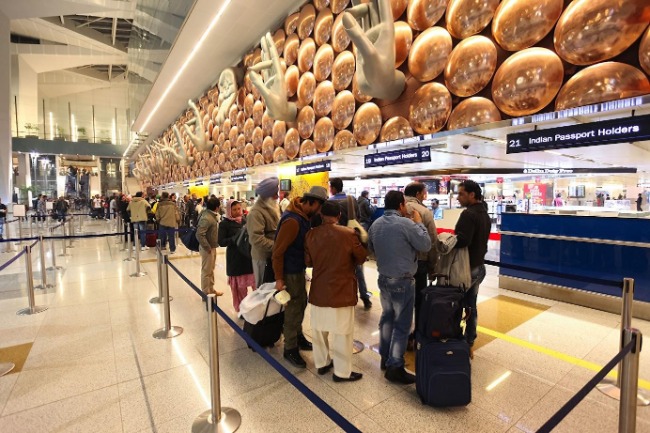
If you want to leave the airport to visit a hotel, meet someone, or explore the city during a long layover, you must meet India's entry requirements.
For instance, a traveler with a 12-hour stopover in Delhi may want to visit nearby attractions instead of waiting at the airport. Even though the layover is relatively short, leaving the international transit area means entering India.
An Indian transit visa or another suitable visa must be obtained before travel, depending on the purpose and circumstances of entry.
A transit visa is not a visa-on-arrival facility. Travelers should arrange the required permission before boarding their flight to India.
3. Applying for an Indian Transit Visa
If your itinerary requires you to enter India temporarily, an Indian transit visa may be the appropriate option.
Transit Visa Validity and Permitted Stay
An Indian transit visa is designed for travelers passing through India to reach another country. It is not intended for tourism, extended visits, or general travel within India.
According to Indian government guidance, the main conditions generally include:
-
Purpose: Transit through India to another country
-
Validity: Ordinarily 15 days from the date of issue
-
Permitted stay: Up to 72 hours per visit
-
Entries: Single entry; double entry may be granted in qualifying cases
-
Onward travel: Confirmed onward journey required
-
Visa on arrival: Not available for transit visa applicants
The exact conditions depend on the visa issued and the applicable consular requirements. A stay exceeding 72 hours generally requires another appropriate visa category.
Documents Commonly Required
Although requirements may vary depending on nationality and the Indian diplomatic mission handling the application, travelers should generally prepare:
-
A valid passport.
-
A completed Indian visa application form.
-
A recent passport-sized photograph.
-
Confirmed flight reservations showing the journey through India.
-
Evidence of onward travel to the final destination.
-
A valid visa or entry permission for the final destination, if required.
-
Additional supporting documents requested by the relevant Indian mission.
If you are unsure which visa category applies to your itinerary, India visa application assistance and e-Visa information can help you understand the available options and prepare for the application process.
4. Important Things to Check Before Your Flight to India
Confirm Your Transit Eligibility With the Airline
Airlines are responsible for checking travel documents before boarding. If your itinerary involves India, the airline may assess whether you have the necessary visa or qualify for an applicable transit exemption.
Contact the airline before your departure date and explain your complete itinerary, including:
-
Your departure country and final destination.
-
The Indian airport where you will connect.
-
Whether you have one booking reference or separate tickets.
-
Whether you need to collect checked baggage.
-
Whether your transfer involves an airport or terminal change.
This is particularly important when traveling with low-cost carriers or booking flights through different online travel agencies.
Check Your Final Destination's Entry Requirements
India is not necessarily your only immigration consideration.
If you are traveling onward to another country, make sure you meet that destination's entry requirements, including visa requirements, passport validity, and any applicable travel authorization.
For example, a traveler connecting through India to Thailand may not need an Indian transit visa under qualifying airside conditions but must still meet Thailand's entry requirements.
Having an onward ticket alone does not replace the visa or entry permission required by your final destination.
Keep Your Travel Documents Accessible
Prepare digital and printed copies of your:
-
Passport.
-
Complete flight itinerary.
-
Onward boarding pass, if available.
-
Visa or entry authorization for your final destination.
-
Relevant baggage and transfer confirmation.
These documents can help airline staff verify your travel arrangements and clarify your eligibility for transit without entering India.
Conclusion
Transiting through India without a visa is possible, but it depends on how your connecting flights are arranged. Travelers who remain within the designated international transit area and do not pass through immigration can generally benefit from the direct airside transit exemption.
However, collecting checked baggage, changing to a domestic flight, leaving the airport, or completing a self-transfer through the public terminal can require an Indian visa.
The safest approach is to confirm your baggage arrangements, terminal transfers, and immigration requirements with your airlines and the relevant Indian authorities before departure.
If your itinerary requires entry into India, arrange the appropriate visa in advance rather than relying on an airport transit exemption.
For further assistance with Indian visa requirements, visit India-Immi.org to explore visa information and application support.
Frequently Asked Questions (FAQ)
Q1: Can I transit through India without a visa if my layover is less than 24 hours?
Yes, potentially. You generally do not need a transit visa if you remain within the designated international transit area and do not pass through Indian immigration. However, a layover under 24 hours does not automatically qualify you for visa-free transit.
Q2: Do I need an Indian visa if I have two separate flight tickets?
Not necessarily. Separate tickets do not automatically require a visa. However, if you must collect baggage, check in again through the public terminal, or pass through immigration, you will generally need an appropriate Indian visa.
Q3: Do I need a transit visa if I change terminals at Delhi or Mumbai Airport?
It depends on the transfer arrangements. If you can change terminals through an authorized airside transfer route without clearing immigration, a transit visa may not be necessary. If you must enter India to complete the transfer, you generally need a visa.
Q4: Can I leave the Indian airport during a long layover without a visa?
No, not under the ordinary direct airside transit exemption. Leaving the designated international transit area means entering India, so you must hold an appropriate visa unless you qualify for a separate visa exemption.
Important reference: India's transit rules can vary according to nationality, airport facilities, and individual travel arrangements. Always confirm your specific itinerary with the operating airline and the relevant Indian Embassy or Consulate before departure.
👉 Contact the 24/7 support team at India-immi.org to receive personalized advice and book your Car Pick-up service, while also exploring additional services such as Indian e-Visa, Airport Fast Track, or Travel eSIM, to make your trip to India more convenient, secure, and premium from the very beginning.
-
✉️ Email: [email protected]
-
📱 WhatsApp: +84 357 522 522
-
Hotline: +84 357 522 522